
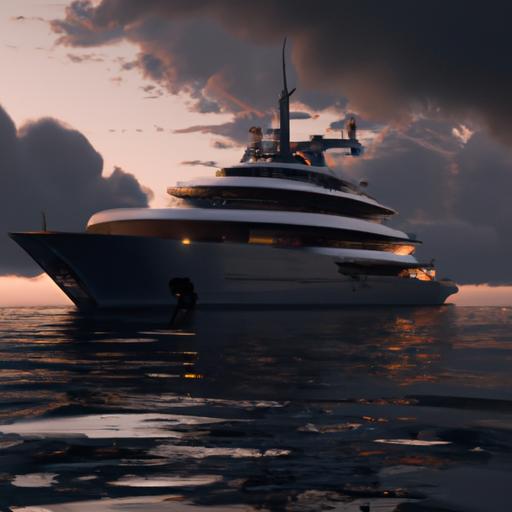
Are you planning a luxurious trip on a superyacht? Have you ever wondered if you can get seasick on a superyacht and what you can do to prevent it? In this article, we’ll cover the ins and outs of seasickness, from what causes it to how you can treat it.
We’ll also explore the symptoms of seasickness and the best ways to prevent it while on a superyacht.
Read on to learn all you need to know about seasickness on a superyacht!
Table of Contents
Short Answer
Yes, it is possible to get seasick on a superyacht.
Superyachts are designed to withstand rough seas, but if the waves become too large or choppy, it can cause a feeling of nausea and dizziness.
Additionally, if the superyacht is not properly balanced, it can create an uneven movement which can also lead to seasickness.
To prevent seasickness, it is recommended to stay in the upper decks, stay hydrated, and look to the horizon.
What is Seasickness?
Seasickness, or mal de mer, is a form of motion sickness that is caused by the rolling motion of a boat or ship.
It is a common issue for those who travel by sea, and can be especially troubling on a superyacht.
Symptoms of seasickness can include nausea, vomiting, dizziness, and headache.
It can also cause fatigue, lack of appetite, and increased salivation.
In extreme cases, seasickness can also lead to dehydration and exhaustion.
The cause of seasickness is the conflict between the motion of the vessel and the motion that is perceived by our inner ear.
Our inner ear is constantly trying to adjust to the rocking and swaying of the boat and this can cause a disruption in our sense of balance, resulting in seasickness.
The best way to prevent seasickness is to be prepared.
Many yacht owners have invested in stabilizer fins and other stabilization systems that reduce the rocking motion of the yacht, making it easier for passengers to adjust to the movement of the boat.
Additionally, it is important to pay attention to your own body and take preventative measures such as medication, eating light meals, and taking frequent breaks.
Can You Get Seasick on a Superyacht?

When it comes to travelling in style, there is no better way to do it than on a superyacht.
From luxury accommodations to top-notch amenities, superyachts offer an unforgettable experience.
But what about seasickness? Can you get seasick on a superyacht?
The short answer is yes.
Even though superyachts are equipped with the latest stabilization systems, they can still be affected by the motion of the waves.
This is especially true in choppy waters.
The rocking motion of the waves can cause nausea, dizziness, and other symptoms of seasickness.
To help prevent seasickness, many superyacht owners have invested in stabilizer fins and other stabilization systems.
These systems use gyroscopes and computers to detect the motion of the yacht and adjust the fins accordingly.
This helps reduce the rocking motion of the yacht, making it a more comfortable experience for passengers.
Additionally, it is important to pay attention to your own body and take preventative measures such as taking medication before going on a longer voyage.
If you are prone to seasickness, it is best to consult a doctor before taking any medication.
In conclusion, it is possible to get seasick on a superyacht.
But with the right preventative measures and the latest stabilization systems, you can enjoy a comfortable and enjoyable voyage.
What Causes Seasickness on a Superyacht?
When it comes to seasickness on a superyacht, the cause is usually the same as any other type of boat – the rocking and rolling motion of the waves.
When sailing on a superyacht, the waves can be especially choppy and this can cause nausea and other symptoms of seasickness.
The rocking motion of the boat, combined with the rocking of the waves, can make it difficult to keep your balance, and can even cause dizziness and disorientation.
Fortunately, many superyacht owners have invested in stabilizer fins and other stabilization systems to help reduce the rocking motion of the boat.
These systems work by counteracting the waves, which helps to reduce the feeling of motion sickness.
Additionally, superyachts are generally larger than other boats, which means they are more stable and are less likely to be affected by the waves.
However, even with the best stabilization systems, it is still possible to get seasick on a superyacht.
That is why it is important to pay attention to your own body and to take preventative measures such as taking medication before going on a longer voyage.
Additionally, it is important to stay hydrated and to rest when needed.
It is also beneficial to have someone on board who has experience dealing with seasickness, in case the symptoms become too severe.
What Can You Do to Prevent Seasickness on a Superyacht?

When it comes to preventing seasickness on a superyacht, there are a few steps you can take to ensure a more pleasant journey.
The main way to prevent seasickness is to invest in a stabilizer system, which are designed to reduce the rocking motion of the yacht in choppy waters.
There are several different types of stabilizers available, including active and passive fins, gyroscopic stabilization, and even air-bubble systems.
Depending on the size of your yacht and the conditions you anticipate encountering, the best type of stabilizer for your needs can be determined by a professional.
In addition to investing in a stabilizer system, there are other measures you can take to reduce the chances of seasickness.
For instance, it is important to pay attention to your own body and to take preventative measures such as taking medication before going on a longer voyage.
Additionally, if you are prone to seasickness, try to avoid overly rich meals and alcohol as they can make the symptoms worse.
If you plan on spending a lot of time on the deck, try to stay in the center of the yacht and focus on the horizon line to help reduce the sensation of rocking.
Finally, it is important to be aware of the weather and waves conditions before setting out, as these can have a significant impact on the motion of the yacht.
What are the Symptoms of Seasickness?
Seasickness, also known as motion sickness, is a feeling of nausea and discomfort caused by the rocking motion of a boat, especially when it is sailing in choppy waters.
Common symptoms of seasickness include nausea, dizziness, sweating, fatigue, headache, and vomiting.
Some people may also experience difficulty concentrating, vertigo, and loss of appetite.
In some cases, seasickness can lead to dehydration or exhaustion, so it is important to take preventative measures to avoid getting seasick on a superyacht.
To help prevent seasickness, many superyacht owners have invested in stabilizer fins and other stabilization systems.
These fins work to reduce the rocking motion of the boat, making it more comfortable for passengers.
Additionally, it is important to pay attention to your own body and to take preventative measures such as taking medication before going on a longer voyage.
Over-the-counter medications can help reduce the symptoms of seasickness, but it is important to consult your doctor before taking any medication.
Another important factor to consider is the weather conditions.
If the weather is windy or the water is choppy, it can increase the risk of getting seasick.
Additionally, if the yacht is traveling at a faster speed, the rocking motion will be more pronounced and can make passengers more prone to seasickness.
It is also important to avoid large meals and alcohol before and during the trip, as these can also increase the risk of seasickness.
In conclusion, it is possible to get seasick on a superyacht, but there are measures that can be taken to reduce the risk of experiencing seasickness.
By investing in stabilizer fins and taking preventative measures such as taking medication, passengers can help ensure a smoother and more enjoyable sailing experience.
Additionally, paying attention to the weather conditions and avoiding large meals and alcohol can also help prevent seasickness.
How Can You Treat Seasickness on a Superyacht?

When it comes to treating seasickness on a superyacht, the most important thing is to be proactive and take preventive measures.
First, it is important to pay attention to your own body and be aware of any signs of nausea or dizziness.
When these symptoms start to arise, it is important to take immediate action.
One of the best ways to prevent seasickness is to invest in stabilization systems such as stabilizer fins.
Stabilizer fins are devices that are installed on the hull of the yacht and help to reduce the rocking motion caused by waves, which can be a common cause of seasickness.
Additionally, many superyacht owners will also invest in motion-compensating systems such as gyroscopes or active fin stabilizers, which are sophisticated systems that are designed to further reduce the rocking motion.
Other preventative measures to help reduce the risk of seasickness include taking medication before embarking on a longer voyage.
Over-the-counter medications such as Dramamine or Bonine are designed to help reduce the symptoms of motion sickness.
Additionally, there are also prescription medications available for those who are more prone to seasickness.
Finally, it is important to remember that the best way to reduce the risk of seasickness is to be aware of your own body and to pay attention to any signs of nausea or dizziness.
By taking preventative measures and investing in stabilization systems, you can help to reduce the risk of seasickness and make your superyacht experience much more enjoyable.
What Should You Do If You Feel Seasick on a Superyacht?
If you find yourself feeling queasy or seasick on a superyacht, there are a few steps you can take to help alleviate the symptoms.
The first step is to get some fresh air.
Taking a breather on the deck of the yacht, away from the engine and the interior, can help reduce the feeling of nausea.
Additionally, you can try to focus on a stationary object on the horizon such as a buoy or a lighthouse.
This can help reduce the dizziness and disorientation associated with seasickness.
In addition to these steps, you should also be mindful of the stabilizer fins and other stabilization systems on the yacht.
These systems are designed to reduce the rocking motion of the vessel, and can help reduce the chances of getting seasick.
If your yacht does not have these systems, you may want to consider investing in them in the future.
Finally, if you know you are prone to seasickness, make sure to take preventative measures before setting out on a longer voyage.
Over the counter medications such as Dramamine or ginger capsules can help reduce the symptoms of seasickness.
Additionally, you can also try some natural remedies such as drinking ginger tea or eating ginger snaps.
Whatever you choose, make sure to give yourself enough time for the medication to take effect before setting out.
Final Thoughts
So, can you get seasick on a superyacht? The answer is yes! Seasickness is a common side effect of being on a moving vessel, and it can have serious consequences if you’re not prepared.
Fortunately, there are many ways to prevent and treat seasickness on a superyacht, from investing in stabilizer fins to taking preventative medication.
To make sure you have a safe and enjoyable voyage, it’s important to be aware of the symptoms and to take action if you start to feel ill.
So, if you’re planning a superyacht trip, make sure you’re prepared for the possibility of seasickness!